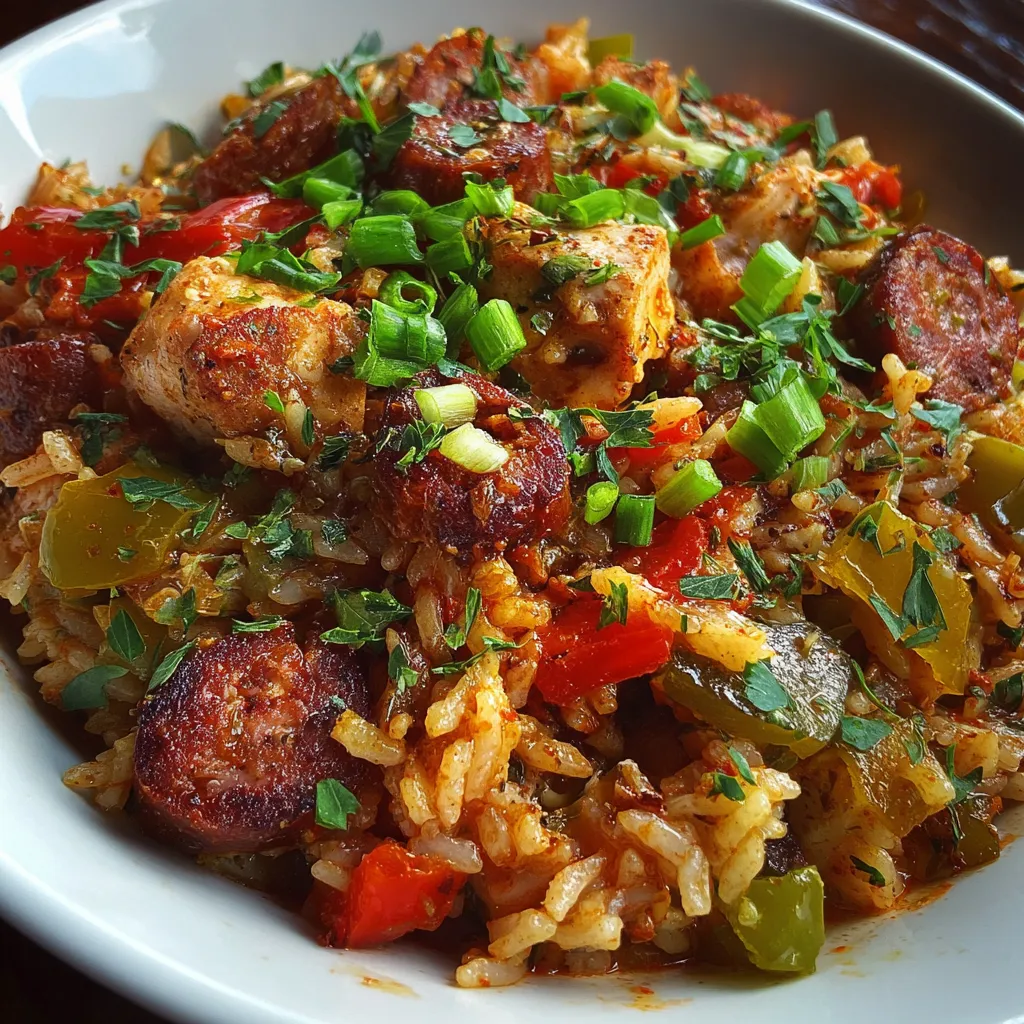
Mastering Jambalaya: Tips for Authentic Flavor & Customization
Few dishes encapsulate the vibrant soul of Louisiana quite like jambalaya. This iconic one-pot meal is a symphony of flavors, a hearty rice dish teeming with a medley of proteins, vegetables, and spices. More than just food, jambalaya is a culinary narrative, telling tales of cultural fusion, historical adaptation, and generations of home cooking. Whether you’ve savored its rich aroma at a New Orleans festival or are attempting your first batch in your own kitchen, understanding the nuances of authentic jambalaya is key to unlocking its magic. Let's delve into the heart of this beloved Southern staple, from its complex origins to the secrets behind its irresistible taste.
The Rich Tapestry of Jambalaya's Origins
The story of jambalaya is as layered and complex as its flavor profile, tracing back to the diverse melting pot of 18th-century South Louisiana. It emerged not as a singular invention, but as a brilliant culinary synthesis, reflecting the region's unique colonial history. Spanish settlers, longing for their beloved paella, adapted the dish using local ingredients and without the costly saffron, laying a foundational rice and meat concept. French culinary techniques, brought by various French populations including the Acadians (who became Cajuns), intertwined with this base.
Crucially, West African rice-cooking methods, possibly akin to jollof rice, were introduced by enslaved people, bringing invaluable expertise in preparing rice as a central dish. Local Native American and German influences further seasoned this evolving tradition. The result was a truly unique creation, a testament to Louisiana's ability to blend diverse cultures into something entirely new and delicious. The term itself, jambalaya, likely stems from the Provençal French dialect word jambalaia or jambaraia, meaning "mishmash" or "jumble"—a fitting description for this delicious medley cooked together in a single pot. This etymology perfectly mirrors the dish's character and historical development, appearing in print as "Jam Bolaya" as early as 1878. For a deeper dive into its fascinating historical journey, explore Jambalaya's Global Roots: A Culinary Journey Through Louisiana.
Cajun vs. Creole: Two Paths to Perfection
While all jambalaya shares a common heritage, two distinct styles have emerged, each proudly representing its regional identity: Cajun and Creole. Understanding their differences is fundamental to appreciating the dish's versatility and choosing your preferred flavor profile.
- Creole Jambalaya (New Orleans Style): Associated with urban New Orleans, Creole jambalaya is often referred to as "red jambalaya." Its characteristic reddish hue comes from the inclusion of tomatoes or tomato paste. This style tends to be milder and more herbaceous, often featuring oregano, basil, and a broader array of proteins like chicken, shrimp, and often ham. It reflects the cosmopolitan influences of New Orleans, leaning into a more refined, yet still robust, flavor profile.
- Cajun Jambalaya (Acadiana Style): Hailing from rural Acadiana, Cajun jambalaya typically omits tomatoes altogether, resulting in a browner, earthier appearance. The depth of flavor in Cajun jambalaya often comes from browning meats intensely and, in some cases, using a dark roux (though a roux is not universally present in all Cajun jambalayas). It emphasizes bold spices and often features smoked meats like andouille sausage, tasso, or even game meats, reflecting the hunting and farming traditions of the region. This style is often smokier and spicier, packing a punch that speaks to its rustic origins.
Both styles are undeniably delicious, and the choice often comes down to personal preference or geographical loyalty. To truly master the distinctions, consider reading our detailed comparison: Cajun vs. Creole Jambalaya: Decoding Louisiana's Flavorful Divide.
Crafting Authentic Jambalaya: Essential Ingredients & Techniques
Regardless of whether you lean Cajun or Creole, the foundation of any great jambalaya lies in a few critical components and techniques. Here's how to build a flavorful base:
- The Holy Trinity: This aromatic base is non-negotiable for authentic Louisiana cooking. Diced onion, celery, and bell pepper are sautéed until softened, creating the savory backbone for your dish. Aim for roughly equal parts.
- Garlic: No Southern dish is complete without ample garlic. Add it towards the end of the trinity's sauté to prevent burning.
- Proteins: The classic trio often includes andouille sausage, chicken, and shrimp.
- Andouille: This smoked, spicy pork sausage is paramount. Render its fat first, then remove the sausage. This flavored fat is crucial for sautéing the trinity.
- Chicken: Diced boneless, skinless chicken thighs are preferred for their flavor and tenderness. Brown them well for added depth.
- Shrimp: Add shrimp towards the end of the cooking process to prevent overcooking, ensuring they remain succulent.
- Stock: A good quality chicken or seafood stock is vital. It provides moisture and concentrates flavor into the rice.
- Seasonings: Cayenne pepper is a must for heat, along with thyme, black pepper, and often paprika. Creole variations might include oregano and basil, while Cajun dishes often rely on robust spice blends. Don't be shy with your seasoning – jambalaya should be well-spiced.
- Rice: Long-grain white rice is the traditional choice. Avoid short-grain or sticky rice. The key is to add it after the liquids and ensure it's evenly distributed before simmering.
- The Single Pot Method: A defining characteristic of jambalaya is that it's cooked entirely in one pot. This allows flavors to meld beautifully and creates that signature saucy, yet distinct, rice.
Practical Tips for Success:
- Browning is Key: Don't rush searing your meats, especially the andouille and chicken. Deep browning develops complex flavors through the Maillard reaction.
- Deglaze Properly: After browning meats, use a splash of stock or even water to scrape up any flavorful brown bits from the bottom of the pot. This is where much of your flavor concentrates.
- Resist the Urge to Stir: Once the rice is added, stirred in, and the pot is covered, leave it alone! Excessive stirring releases starch, leading to gummy rice. Allow it to simmer undisturbed until the liquid is absorbed and the rice is tender.
- Taste and Adjust: Always taste before serving. Adjust salt, pepper, and cayenne as needed. A dash of hot sauce at the end is a common finish.
Customizing Your Jambalaya: Beyond the Basics
While the classic combinations of chicken, sausage, and shrimp are eternally satisfying, jambalaya is an incredibly versatile dish, inviting endless customization. Don't be afraid to experiment once you've mastered the fundamentals:
- Protein Power-Ups:
- Crawfish: A quintessential Louisiana addition, especially during crawfish season. Add tails towards the end of cooking to maintain their delicate texture.
- Pork: Diced pork shoulder or tasso (a spicy cured pork) can add incredible depth.
- Game Meats: Rabbit, duck, or venison are popular in Cajun country, adding a wilder, richer flavor profile.
- Vegetarian Options: For a meat-free version, focus on smoked paprika, liquid smoke, and a medley of hearty vegetables like mushrooms, bell peppers, kidney beans, or black-eyed peas.
- Veggie Boost: While the Holy Trinity is standard, you can certainly add other vegetables for texture and nutrition. Okra, corn kernels, peas, or even carrots can find a place in your pot, though some purists might argue against them.
- Spice Level: Control the heat by adjusting the amount of cayenne pepper and your choice of hot sauce. For a milder version, reduce cayenne; for a fiery kick, increase it or add some minced jalapeño or serrano peppers with the trinity.
- Herbaceous Touches: Fresh parsley or green onions (scallions) are often stirred in at the very end or used as a garnish, adding a burst of fresh flavor and color.
The beauty of jambalaya lies in its adaptability. It’s a dish that evolves with the cook, reflecting local availability, personal preferences, and the creative spirit of the kitchen. Serve it hot with a side of crusty bread or cornbread, and perhaps a dash more hot sauce for those who dare.
Jambalaya is more than just a meal; it's a celebration of Louisiana's heritage, a culinary hug in a bowl. By understanding its rich history, appreciating its regional variations, and mastering key techniques, you can create an authentic and deeply satisfying dish that will transport your taste buds straight to the bayou. So gather your ingredients, fire up your pot, and embark on your own delicious journey into the heart of Southern cooking.
